


Heypac Pump Servicing and Repair
HYQUIP engineers have been trained to carryout professional repairs and servicing of Heypac pumps using authentic Heypac seals and replacement parts
HYQUIP & Heypac
Based in the United Kingdom, with a North American sales office and warehouse, plus a global network of distributors, the Heypac range is readily available around the world and is a trusted name in the fluid power industry. Thanks to the exemplary quality of their products Hyquip is honoured to act as an official supplier and distributor for the Heypac brand. Hyquip welcome Heypac enquiries from end users, original equipment machinery manufacturers, trade suppliers and resellers from all industrial sectors.
Who is Heypac?
Established over 40 years ago, Heypac has continually designed, manufactured and developed an excellent range of air driven pumps, hydro pneumatic pumps and air hydraulic pressure intensifiers, as well as the popular air driven hydraulic power unit. The Heypac range also includes zero leak directional control valves, pressure reducers, reservoirs, pulsation dampeners along with a selection of fluid and air filters. With some of their pressure boosters and intensifiers offering pressure of up to 840 bar (12,000 psi).
The Heypac product range is designed to meet the demanding needs of modern industries such as manufacturing, automotive, construction and more. These efficient and reliable solutions enable businesses to optimise their operations and empower industries worldwide.
Quality
Heypac are ISO 9001 registered and feels obliged to offer a continuous process of improvements, reflected within its products. HYQUIP's ISO 9001 certification also guarantees the compliance with standard guidelines.
HYQUIP engineers have been trained to carryout professional repairs and servicing of Heypac pumps using authentic Heypac seals and replacement parts
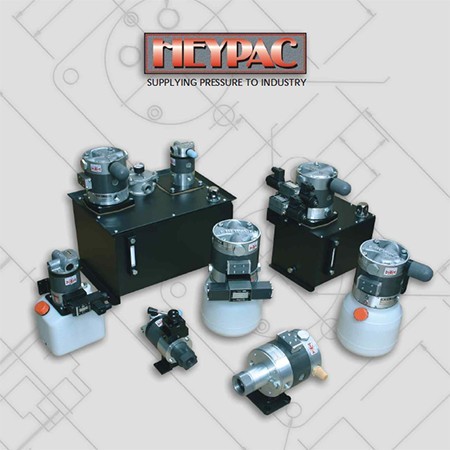
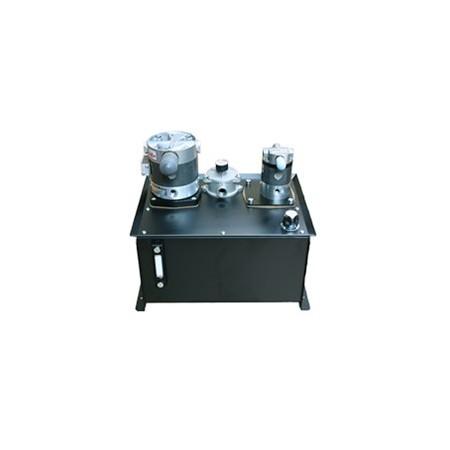
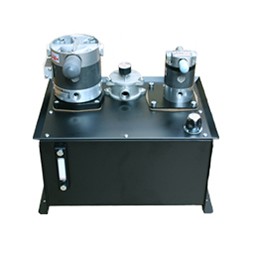
Heypac pumps can be integrated into standalone hydraulic power units for a variety of applications and industries.
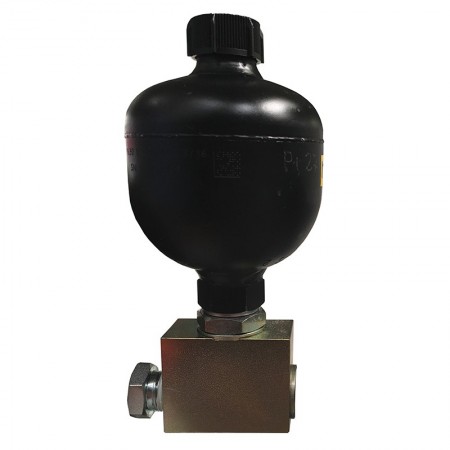
Smoothing Kits (Pulsation dampeners) GX05, GX10 and GX20 Pumps Without Valve Manifolds
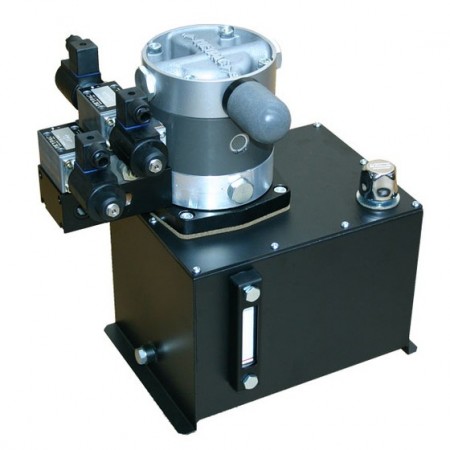
Heypac Reservoirs and Level Switches - 10 and 30 Litre Heypac Reservoir Kit, Heypac Level Switches, Heypac Extended Suction Tube Kits

Heypac Manifold Blocks - A range of manifold blocks that enable valves conforming to CETOP03/D03/NG6 standard to be mounted directly on to pumps.

Heypac Fluid Filtration range enables you to tailor your HEYPAC pump to best suit your application and extend their long service life.
The range includes;
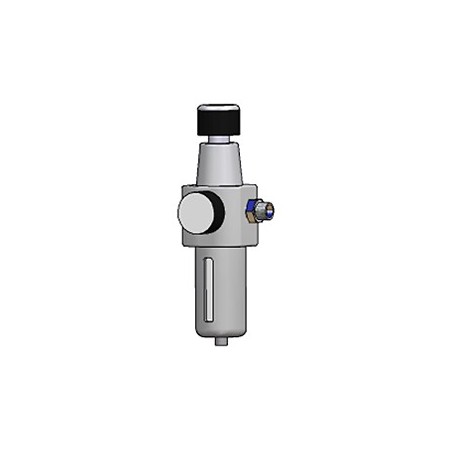
Hyquip supply the entire range of Heypac Air Filter / Regulator Assemblies.

Heypacs range of Valves to enable you to tailor your HEYPAC pump to best suit your application.
The range includes;

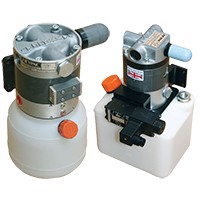
The GX series 1.5kW (2hp) pump range can be supplied in either basic pump form, complete with an integral reservoir or as a fully assembled power unit.
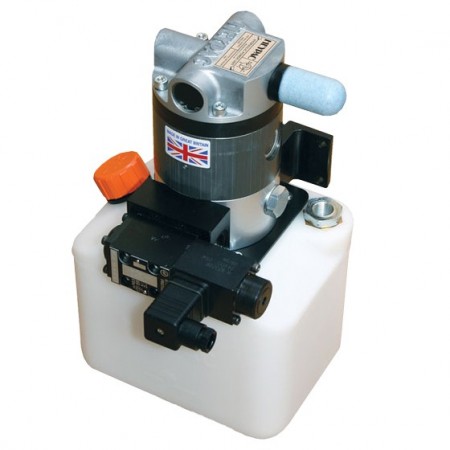
The KR series has a 0.37Kw (1/2hp) pump range which can be supplied in either basic pump form, complete with an integral reservoir or as a fully assembled power unit.